2026-06-05
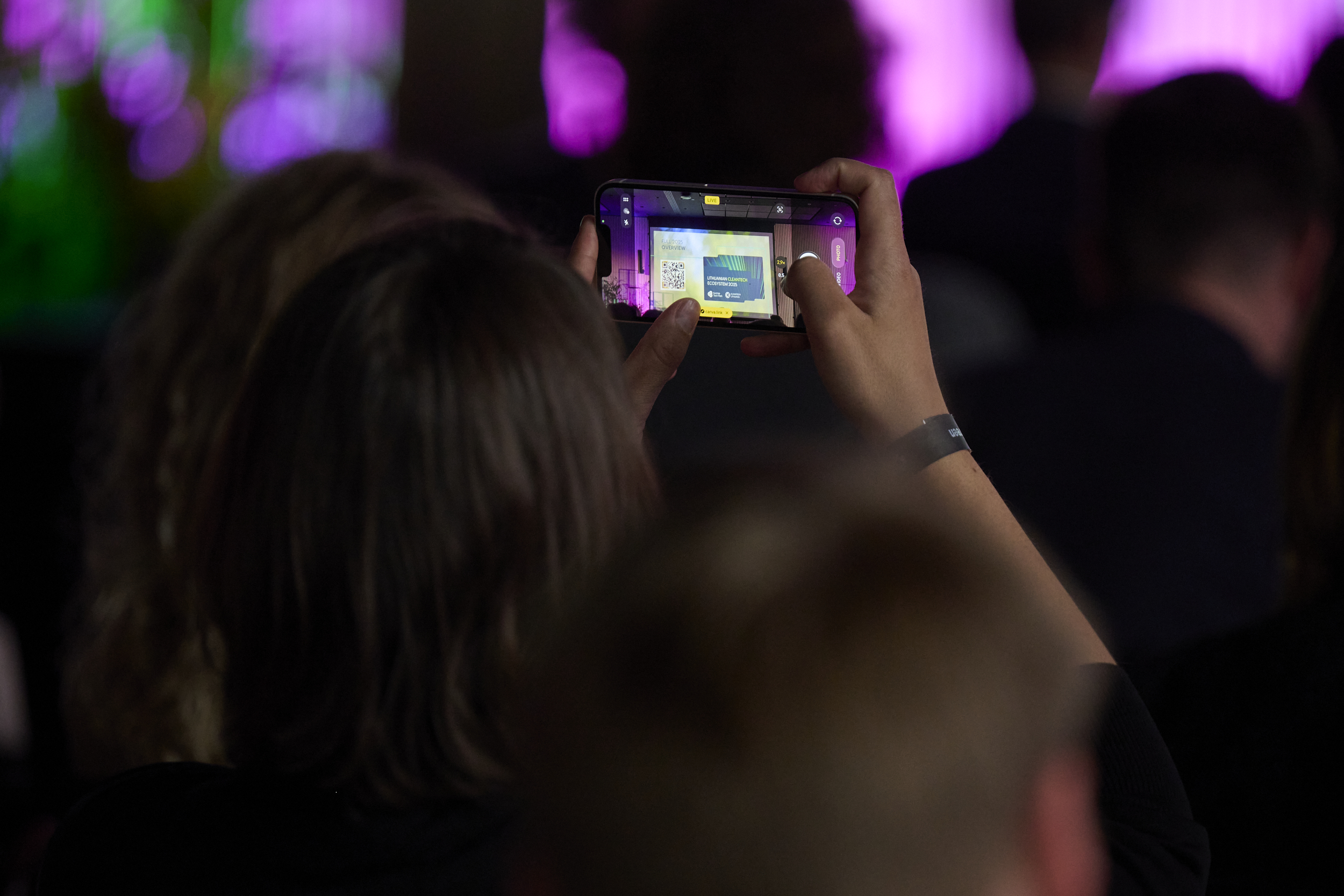
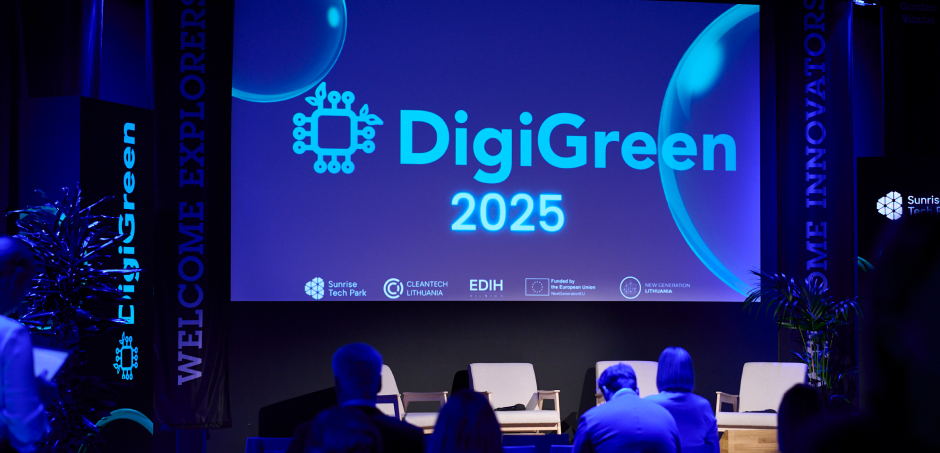
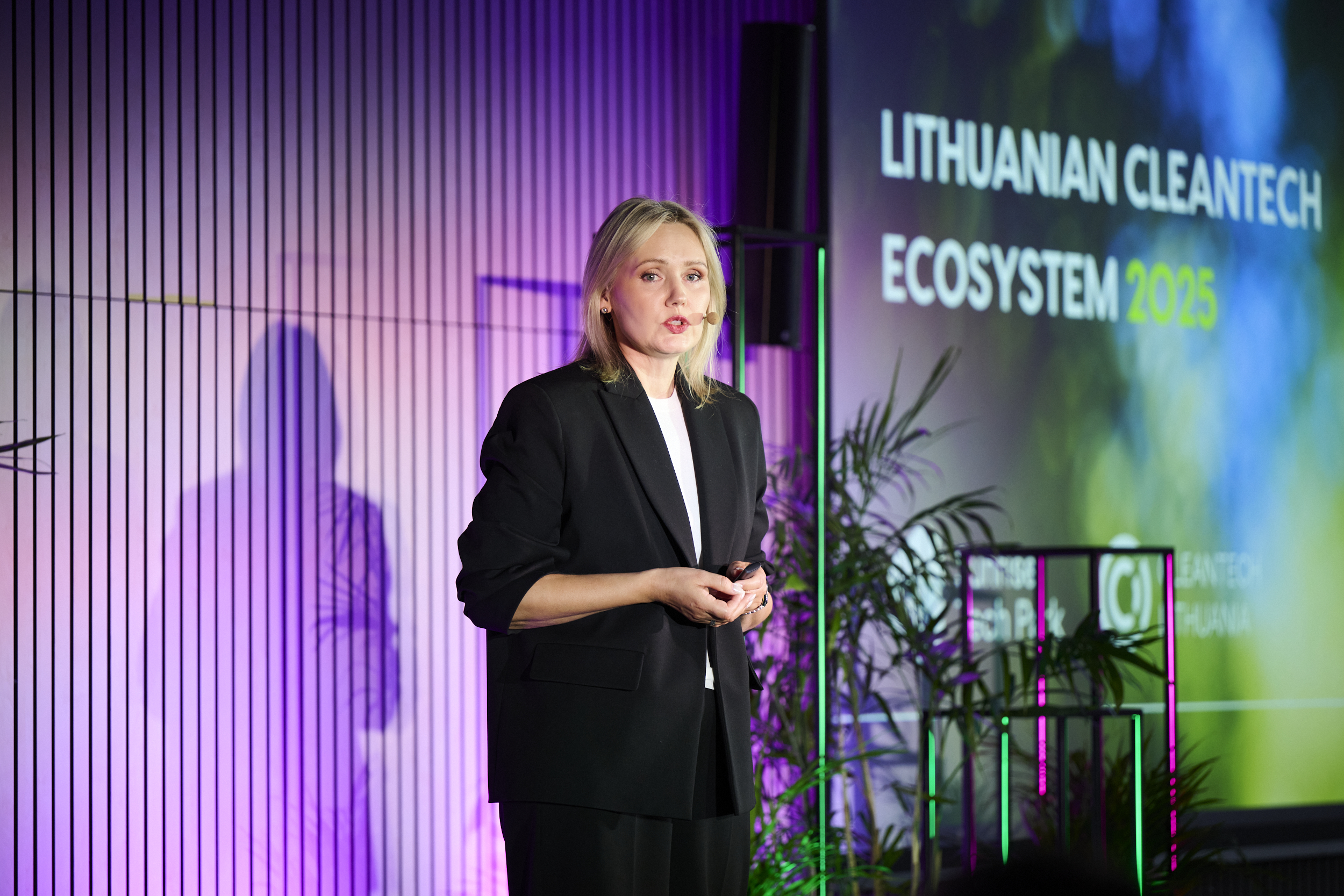
On June 4, at the "DigiGreen 2026" conference, Laima Balčiūnė, head of Sunrise Tech Park, presented the latest overview of the Lithuanian cleantech ecosystem 2025. The presentation reviewed key sector data, growth directions, challenges, and new opportunities, providing a clearer understanding of where the Lithuanian cleantech sector stands today, its potential for the country's economy, and the role it can play in creating a more sustainable, innovative, and competitive future.
The overview also includes Energy Unlimited and Cleantech Lithuania member Fivrec market insights, offering a closer look at the implementation of renewable energy projects, bankability, battery recycling, and critical raw materials.
In 2025, 165 companies were identified on the Lithuanian cleantech map – ranging from startups and scale-ups to mature companies in energy, industry, mobility, circular economy, food systems, and materials. This indicates that cleantech in Lithuania is no longer just an innovation niche but is becoming an increasingly tangible part of the economy.
In 2025, Lithuanian cleantech companies employed 10,316 people, and the average salary in the sector reached €3,349.93 – 39.1% higher than the national average. The economic impact is also evident through taxes: cleantech companies paid €728 million, of which approximately €282 million was attributed to the startup, scale-up, and unicorn segment. The overview analyzes the ecosystem across six sectors: energy, resources and environment, transport and logistics, agriculture and food, waste and recycling, and materials and chemistry. Energy remains the largest focus, concentrating more than half of all identified cleantech companies. Meanwhile, the resources and environment sector stands out with a high concentration of startups, scale-ups, and unicorns, as well as solutions for circular platforms, reuse, resource efficiency, and environmental data.
In 2025, the Lithuanian cleantech sector also recorded 8 publicly disclosed funding deals, with a total value of €143.7 million. The overview also presents the valuations of Lithuanian cleantech startups, scale-ups, and unicorns: their combined value exceeds €9.7 billion, and excluding unicorns, it reaches approximately €1.1 billion.
The publication also highlights the most significant projects and infrastructure changes in 2025: the Klaipėda port hydrogen ecosystem, Vilnius's 3 MW green hydrogen plant, the synchronization of Baltic electricity grids with continental Europe, Ignitis Group's battery storage parks, the Kelmė wind farm, and InSoil's regenerative agriculture financing model.
The overall message of the overview is clear: the Lithuanian cleantech ecosystem already possesses economic weight, talent, company diversity, and growing examples of infrastructure. The next stage is scaling up: more implementation, more funding, clearer regulatory conditions, and stronger connections between innovation, industry, and public infrastructure.
You can view the full Lithuanian Cleantech Ecosystem 2025 overview here.